Featured
Table of Contents
- – What are the Movement Breaks in schools?
- – Examples of movement breaks
- – The reason why movement breaks are important...
- – 1. Physical Health Benefits
- – 2. Cognitive and academic benefits
- – 3. Well-being in the Mental and Emotional s...
- – All learners benefit from movement breaks
- – Supporting Diverse Learning Needs
- – Creating Inclusive Classrooms
- – How to incorporate movement breaks into your...
- – Teachers can benefit from this resource
- – For Administrators
- – Learn online or via hybrid learning
- – Addressing Common Concerns
- – "Won't movements breaks waste instructional...
- – "How do we make time for movement in a pack...
- – What if the classroom space we have is limi...
- – The Impact of School Culture and Movement Br...
- – Start by implementing these tips
- – Frequently Asked Questions (FAQ)
- – How often should schools introduce breaks f...
- – Can movement breaks replace PE classes?
- – Are movement breaks appropriate for everyone?
- – Do movement breaks require special equipment?
The holistic development of the student is becoming increasingly important in today's rapidly changing education system. Academic rigor and test scores remain important however, a growing amount of research highlights a crucial factor that is often left unnoticed: movement breaks in schools. The need for organized, purposeful physical activity in the classroom has never been more vital. Classrooms that are confined to a single room and a growing amount of screen time are becoming the commonplace. In this article we'll discuss the reasons why moving breaks should be a key element of every school's day-to-day schedule, uncover the science of their advantages, and offer concrete strategies for teachers and administrators.
What are the Movement Breaks in schools?
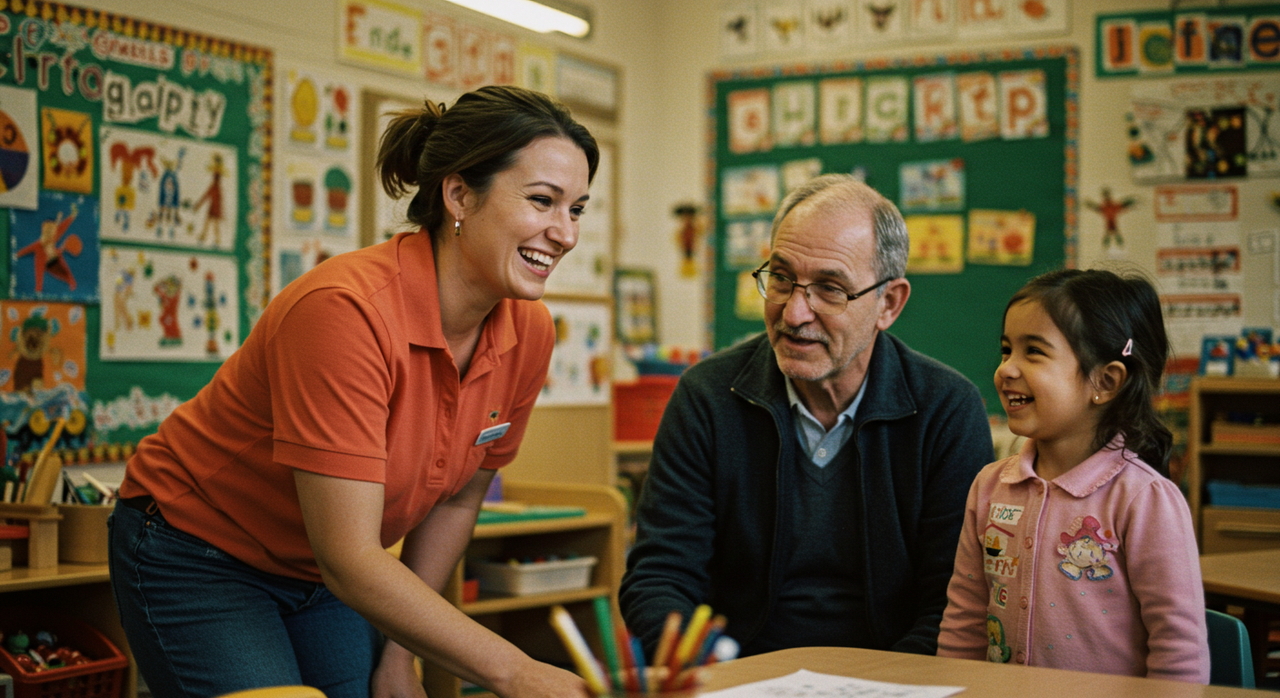
Movement Breaks are also referred to as Brain breaks, Activity breaks or Physical Activity breaks, are short breaks in the school day when students are encouraged engage with physical activity. They can be a time for dancing, stretching, organized games, exercises or mindfulness exercises. Contrary to the physical education (PE) classes that adhere to a prescribed curriculum, movement breaks are brief, regular interruptions of sedentary class time designed to re-energize students and refresh their minds.
Examples of movement breaks
- Running in place or jumping jacks
- Yoga poses or stretching
- Quick dance routines
- Brain gym activities
- Games for groups that require movement
- Breathing guided by a guide, paired with gentle movement
The reason why movement breaks are important: The science
1. Physical Health Benefits
The positive effect of regular physical activity breaks for health is one of the most compelling reasons for including them. The Centers for Disease Control and Prevention recommend that children and adolescents engage in 60 minutes of physical activity. Many students do not adhere to this advice due to the fact that they spend too many hours in the classroom.
Movement breaks in schools provide numerous health benefits:
- Increase your cardiovascular fitness
- Enhance flexibility and muscle strength
- Help with weight loss
- Help combat childhood obesity
Regular exercise boosts the immune system and helps in the creation of long-term healthy lifestyles.
2. Cognitive and academic benefits
Contrary to the notion that more time on academics leads to better results studies show that integrating breaks in movement can improve the academic level. Physical activity boosts circulation of blood to your brain. This helps deliver nutrients and oxygen that are essential to brain function.
The key academic benefits are:
- Attention and focus can be improved
- Improved memory retention
- Better problem-solving skills
- More engagement and more participation
- A greater focus on the task
Studies have found that students who get movement breaks return to tasks with greater focus and demonstrate greater achievement scores when compared with students who do not have such breaks.
3. Well-being in the Mental and Emotional sphere
The mental health of children is becoming a major concern with stress, anxiety, and depression being a major issue for school-aged youngsters. The importance of regular exercise in regulating emotions and encouraging mental well-being is well-known.
Benefits for the emotional side include:
- Reduced stress and anxiety
- Self-esteem and improved mood
- Release of "feel good" endorphins
- Teamwork and social interaction
The physical exercise you engage in during the day can help to let go of any tension, frustration or worry. This can create positive atmosphere in the classroom.
All learners benefit from movement breaks
Supporting Diverse Learning Needs
Breaks during movement are particularly beneficial to students suffering from Attention deficit hyperactivity disorder (ADHD) and difficulties with sensory processing, or with other disabilities. These students benefit from physical activity by regulating their energy levels, enhancing their executive functioning and completing academic assignments.
Creating Inclusive Classrooms
Breaks in the movement can be easily adapted to meet the requirements of various age groups, abilities and learning styles. Breaks for movement can be anything from simple chair stretching up to interactive group exercises. They ensure that each student is able to thrive.
How to incorporate movement breaks into your daily routine
Teachers can benefit from this resource
- Create a calendar. Include movement breaks every 30-60 minutes, and especially in long instructional blocks.
- Keep it simple: Use routines that require only minimal equipment or preparation - think running, jumping, or quick games.
- Make it fun: Integrate music, storytelling or themes to keep students engaged.
- Get students involved: Have students choose or lead their preferred movements.
For Administrators
- Support for building: Educate staff and families about the benefits of taking breaks to move.
- Create guidelines: Encourage daily movement breaks in schools or require these breaks.
- Professional Development: Provide teachers with training and resources to lead activity breaks in a confident manner.
- Track improvements: Collect and track feedback to improve practice.
Learn online or via hybrid learning
Virtual learning is no different. Breaks for movement are just as important. Teachers can conduct live activities on video calls or provide movement challenges for students to complete at home.
Addressing Common Concerns
"Won't movements breaks waste instructional time?"
However research has shown that students who move regularly are more concentrated, less disruptive and more efficient during lessons. Movement breaks are an investment in learning, not a distraction.
"How do we make time for movement in a packed schedule?"
Movement breaks can be short--just 2-5 minutes. They can be integrated into interludes between subjects, or during periods that require intense concentration. Even brief activity provides noticeable advantages.
What if the classroom space we have is limited?
Many movement activities require little space or can be done by standing in front of desks. Seated stretches, chair yoga or even basic hand and arm exercises are effective in small classrooms.
The Impact of School Culture and Movement Breaks
It's not just about individual benefits of integrating exercise breaks, but also about establishing a culture within schools that is centered around wellbeing, health and lifelong learning. Movement-focused schools tend to:
- Students with better health and lower absences
- Community involvement and school spirit are boosted
- More satisfaction with the teacher and lower rates of burnout
- Higher academic performance
Breaks for movement can also be aligned with other wellness activities, such as social-emotional learning as well as nutrition education and programs to combat bullying.
Start by implementing these tips
- Start with a small amount: Begin with one or two break breaks per day and build from there.
- Be constant. Include movement in your routine.
- Be creative: Rotate the activities to keep the students interested.
- Receive feedback from students and teachers: Request input and suggestions.
- Celebrate your achievement: Recognize classrooms that have enthusiastically participated.
Frequently Asked Questions (FAQ)
How often should schools introduce breaks for movement?
The majority of experts recommend a break every 30-60 minutes but the frequency can be adjusted to fit the specific needs of each school.
Can movement breaks replace PE classes?
No. Absolutely not. Breaks in movement aren't a substitute for regular exercise. They are designed to supplement it.
Are movement breaks appropriate for everyone?
Yes! Movement breaks can be tailored for elementary school children, preschoolers, middle, and high school students.
Do movement breaks require special equipment?
Not at all. Certain of the most effective exercises require little or no equipment, including scarves and music or balls.
Incorporating the benefits of movement into each schoolday is a simple method that is based on research and has a wide range of benefits. The research shows that movement is important for a variety of reasons that include improving academic performance, physical health and classroom behaviour. It is possible to make a difference in the lives of your children, whether you're a teacher or administrator, a parent or a policymaker.
Include movement as an integral aspect of the school day for every student. Students learn, develop and prosper when they move.

Table of Contents
- – What are the Movement Breaks in schools?
- – Examples of movement breaks
- – The reason why movement breaks are important...
- – 1. Physical Health Benefits
- – 2. Cognitive and academic benefits
- – 3. Well-being in the Mental and Emotional s...
- – All learners benefit from movement breaks
- – Supporting Diverse Learning Needs
- – Creating Inclusive Classrooms
- – How to incorporate movement breaks into your...
- – Teachers can benefit from this resource
- – For Administrators
- – Learn online or via hybrid learning
- – Addressing Common Concerns
- – "Won't movements breaks waste instructional...
- – "How do we make time for movement in a pack...
- – What if the classroom space we have is limi...
- – The Impact of School Culture and Movement Br...
- – Start by implementing these tips
- – Frequently Asked Questions (FAQ)
- – How often should schools introduce breaks f...
- – Can movement breaks replace PE classes?
- – Are movement breaks appropriate for everyone?
- – Do movement breaks require special equipment?
Latest Posts
10 Leading HVAC Dispatch Software for Streamlined Operations during 2025 & 2026
Understanding the Teacher Induction Process for Licensing
Monitoring and Measuring Movement Break Success
More
Latest Posts
10 Leading HVAC Dispatch Software for Streamlined Operations during 2025 & 2026
Understanding the Teacher Induction Process for Licensing
Monitoring and Measuring Movement Break Success